
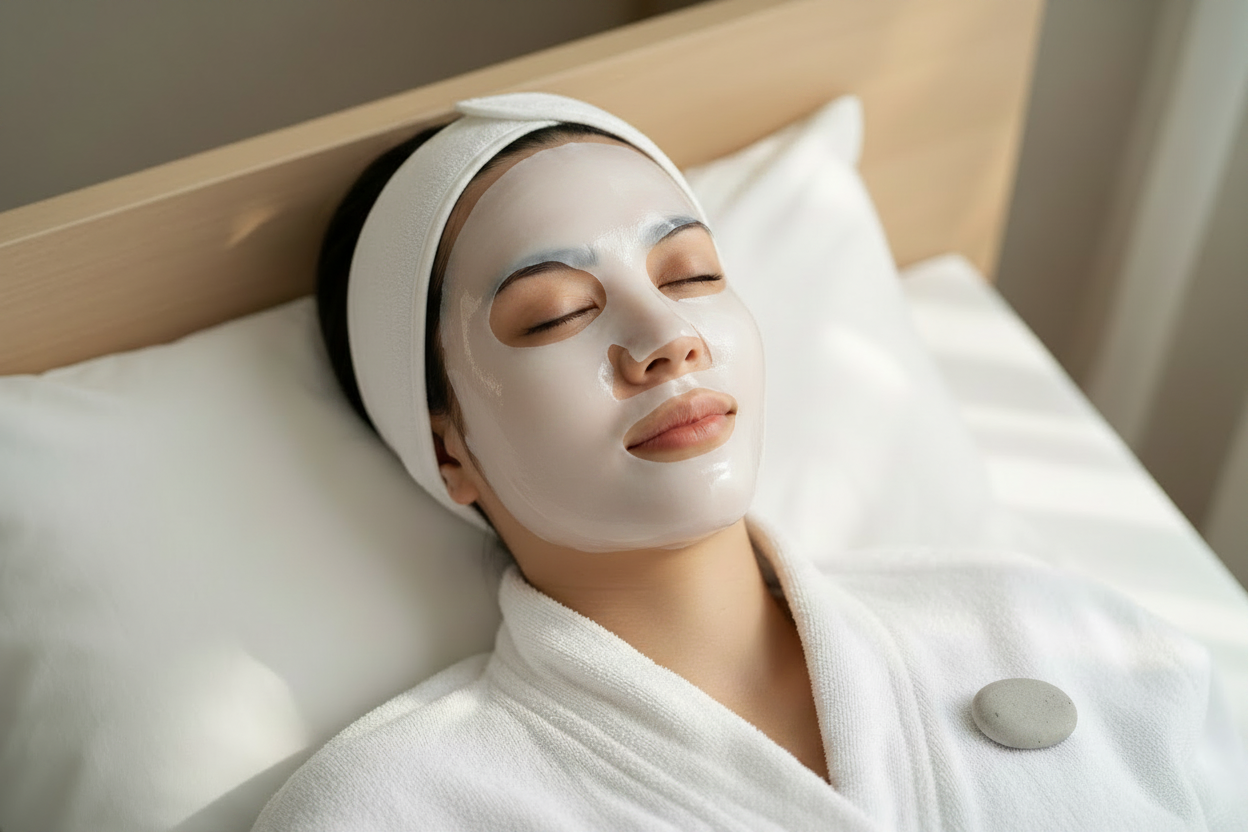
LED light therapy has become increasingly common in clinics and at-home skincare routines, but many people still aren’t completely sure what it actually does.
Different light wavelengths are used to target different skincare concerns. Red light is commonly used to support collagen production and improve the appearance of skin texture and firmness. Blue light is often used to help reduce breakout-causing bacteria and calm oily or blemish-prone skin. Purple light combines both approaches to support overall skin clarity and balance.
One of the biggest advantages of LED therapy is how simple it is to use consistently. Sessions usually take around ten minutes and fit easily into an evening routine without adding unnecessary effort.
Results are gradual rather than instant. Like most skincare routines, visible improvements tend to build through regular use over time rather than overnight changes. The goal isn’t perfection — it’s supporting healthier, more balanced skin through consistent care.

Leave a comment
This site is protected by hCaptcha and the hCaptcha Privacy Policy and Terms of Service apply.